

Coming Home to Ourselves
Reflections on James Martin's "Gravity of Average"
I want to talk about this post by James Martin as creatives and business owners…
To start with, if you haven’t read the original post, I highly recommend it. James Martin, one of the creative founders who are doing lovely work in making creative education accessible to so many others (Made by James) named the “Gravity of Average,” or these pulls towards a middle or sameness. He goes into several different types of gravity in his article, and names that these may feel safer but are also not necessarily enough anymore in modern markets for creative work.
Naming this gravity is an antidote of sorts too.
For each of the types of gravity James names, I’d add that we’re not only being pulled towards an average, but away from ourselves.
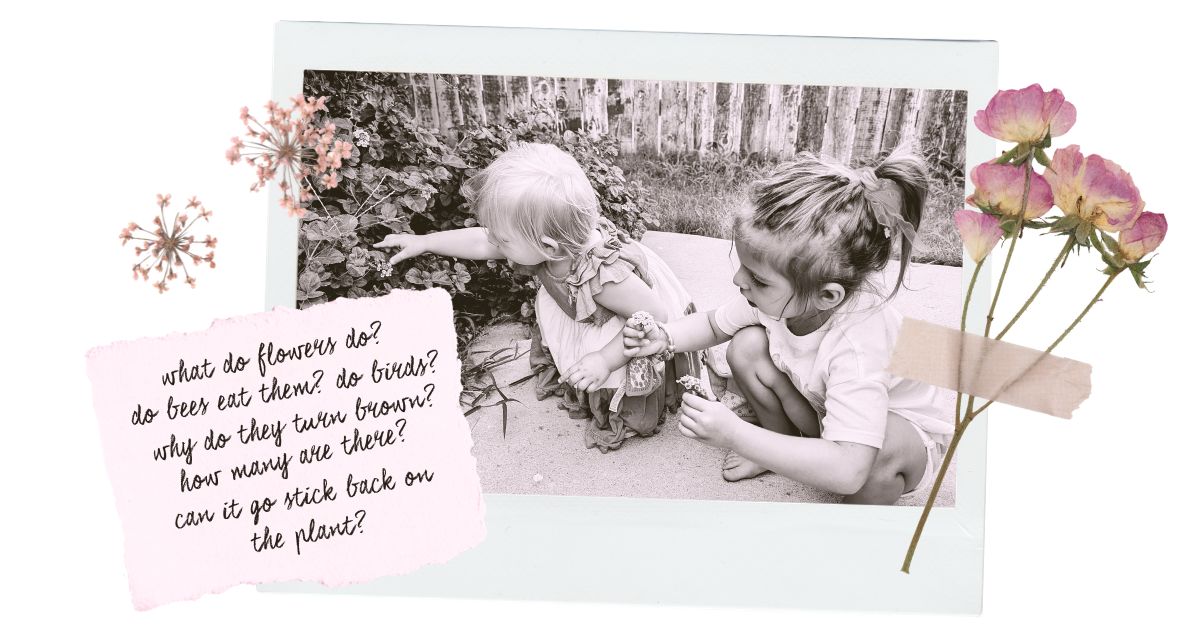
Something I love about humans is that we are deeply curious and as children will follow that curiosity on our own. Research in self directed learning has supported that we can learn about the world through the pathways of our own natural curiosity. My toddlers are now learning about ecosystems for instance because rolly pollies (pill bugs) are so interesting to them that they have been asking all sorts of questions.
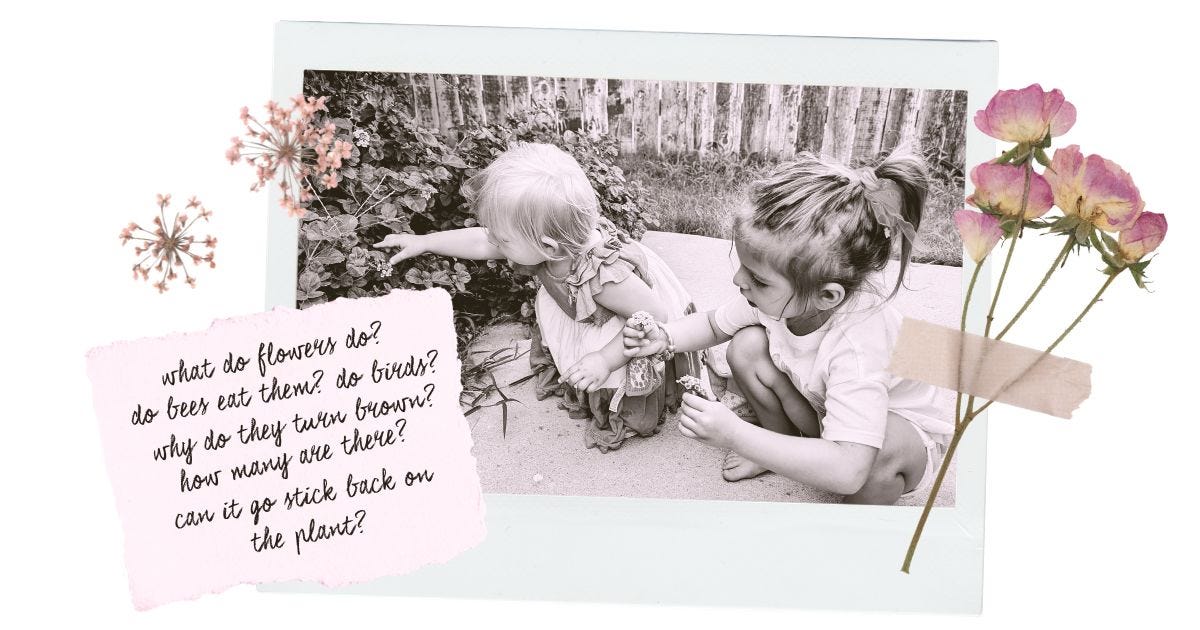
Our current education systems teach us to trust someone else’s prescription for learning, someone else’s plan for knowledge over our own. And to replace our internal drive for curiosity and our initial feelings of joy in discovery for external validation (e.g., grades). But the original way we learned was through play rather than managed performance.
Similarly, the economic, algorithmic, and professional gravity he mentioned are us learning to trade self-trust (and comfort with the naturally-non-linear process of learning) with trust that others’ paths are probably better to bet on. In climbing towards money or income, it can feel so risky to get something wrong - you could slip and have a fall, lose time to learning from mistakes, and maybe have to backtrack when you hit an impassible spot. Or, you can climb where someone else climbed and hope it may work for your body too.
And social gravity teaches us that it’s worse to be judged by others than by ourselves. We fear being rejected by the group like in the Asch Conformity research James mentions (an oldie but a goodie from the social psych world that is painfully relevant today) and choose group acceptance over alignment with our own values.
I see this in creatives I work with
who lament their loss of joy in the craft because they stopped letting themselves play or experiment. Their lack of confidence and indecision because they have learned that knowledge comes from others rather than themselves. Low motivation and detachment because they are creating for an external reward or paycheck more and more, instead of things they feel truly moved by.
He names this as gravity towards average and sameness. And I think he’s right.
This trend is also the opposite of creativity (which asks us to play, get curious, and make new connections) and entrepreneurship (which is an astounding act of self trust, such as a willingness to risk leaving a creative agency and bet it all on yourself and a possibility of something new instead). I think this tension is so important to notice. It’s hard to embrace creativity if we are anchored too tightly to convention. It’s hard to find our unique positioning in entrepreneurship and truly enjoy the novelty and innovation of it, if we are holding too closely to the playbooks of others.
Luckily, by naming these pulls, we have an opportunity to make more intentional choices.
You can reclaim a little bit each time you follow what delights you, or what makes you curious or joyful. You can challenge the idea of expertise living outside of us each time you trust in yourself or hold to your values. And of course, this is not to say you can’t also learn from others, take in data, and not-reinvent-the-wheel. But now that you are aware of this societal gravity, you can navigate it intentionally. Because we all have received messaging that elevates others’ opinions, knowledge, and paths over our own, we can better notice opportunities to trust ourselves instead. And maybe do the weird thing that feels right or authentic.
By pointing this out, it feels like James is both welcoming people towards playful rebellion, and encouraging us to come home to ourselves. And with that, I heartily agree as a psychologist and fellow creative and humanistic rebel.
In loving solidarity,
Dr. Jackie