

Make the Familiar Unfamiliar Again
An exercise for creative experiencing in daily life
Did you ever do that exercise in drawing where you flip the source image upside down to be able to draw it more accurately?
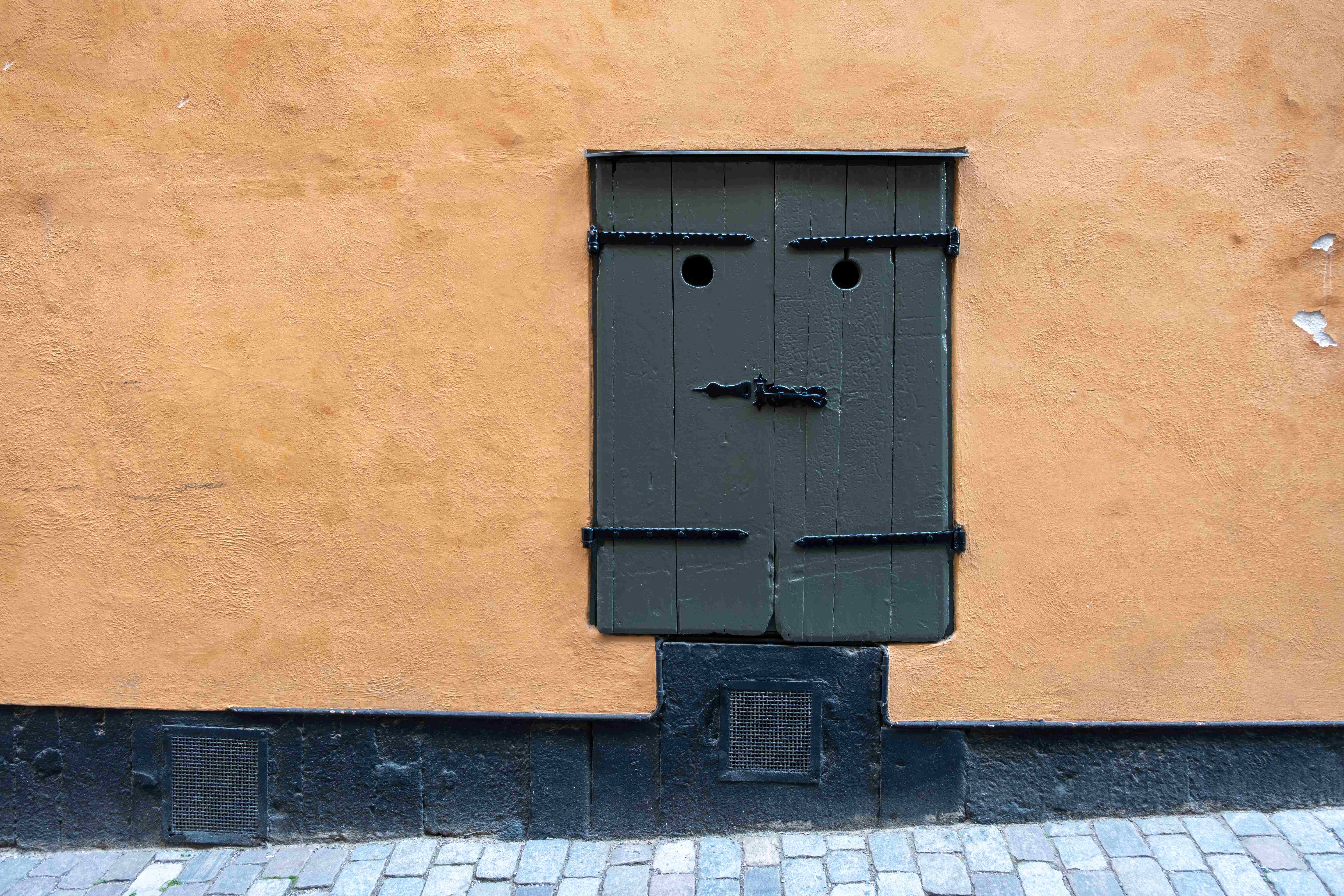
When we look at an image of a person, for instance, our mind recognizes it as familiar. We have processing areas in our brain specifically for finding faces in our environment (something called pareidolia, which is why we’re so good at seeing face-like configurations in things that are not at all faces, like the “eyes and mouth” of a light socket, or of a door to a building for instance).

Your mind will see the familiar image, and as it is always doing to save us energy and resources, it replaces what we see with shortcuts, more generic symbols, and what we would expect to see. If you flip the image upside down, it interrupts this process. You are able to better see what’s actually in front of you, as it is, not as you’ve learned to see it.
Interestingly, we can do the same thing in our daily lives to reawaken wonder, curiosity, and creativity.
Make the familiar unfamiliar by flipping things. Are you going on a walk that you’ve been on many times? Take a different route or do it backwards. Or while walking the usual route, pretend you are doing it as someone who lived 200 years ago and landed here in a time machine. What would you notice that you’ve not noticed before?

Read poetry about things you are familiar or even bored with to see it through new eyes. Try to notice your other senses rather than relying on your dominant one (which would be sight for seeing folks) - what do you hear? Try to notice every sound, as if you were mapping the world around you by sound.
Notice the textures around you, as if you were going to have to recreate your living room such that it felt the very same. Trace your fingers over one thing after the next and imagine the room as a layering of different textures.

Write out the story of why you do what you do as a creative. Now, brainstorm all of the different stories and experiences that don’t quite fit with that narrative. Everything about you that doesn’t quite fit the expected shape you have learned to hold in your brain. What other things are true about you as a human, a maker, and a creative entrepreneur?
In addition to these examples, narrative and feminist therapy are great options for deconstructing how we have learned to see the world. The purpose is to work with another person to gently invite in possibilities and the unfamiliar again. To consider what you believe and desire rather than just what you have accepted or tolerated.
Part of fostering creativity and making can be to bypass what we think things are and let ourselves see them afresh. To step beyond how the world currently looks and imagine what it could be.
What about your workplace or daily life is actually a bit odd, or actually brilliant, wonderful, mind-boggling… Make the familiar unfamiliar again like a toddler stumbling through this new and exciting world.
Wishing you a day of wonder and curiosity,
Dr. Jackie