What You Make Doesn't Have to Become Anything
A letter to fellow creative humans
If what you’re making never became a book, a product, a business, a portfolio piece, or a post, would it still be worth making?
You may have answered that quickly. But I’m also curious - how does it feel to imagine spending a day on something that you don’t plan to “use” for any external work or audience?
We live under a lot of pressure to make things that can be used or commodified - a portfolio piece, bit of content, product, or income stream. But I’d argue that some things we make don’t have to become anything. They can exist as part of our own becoming.
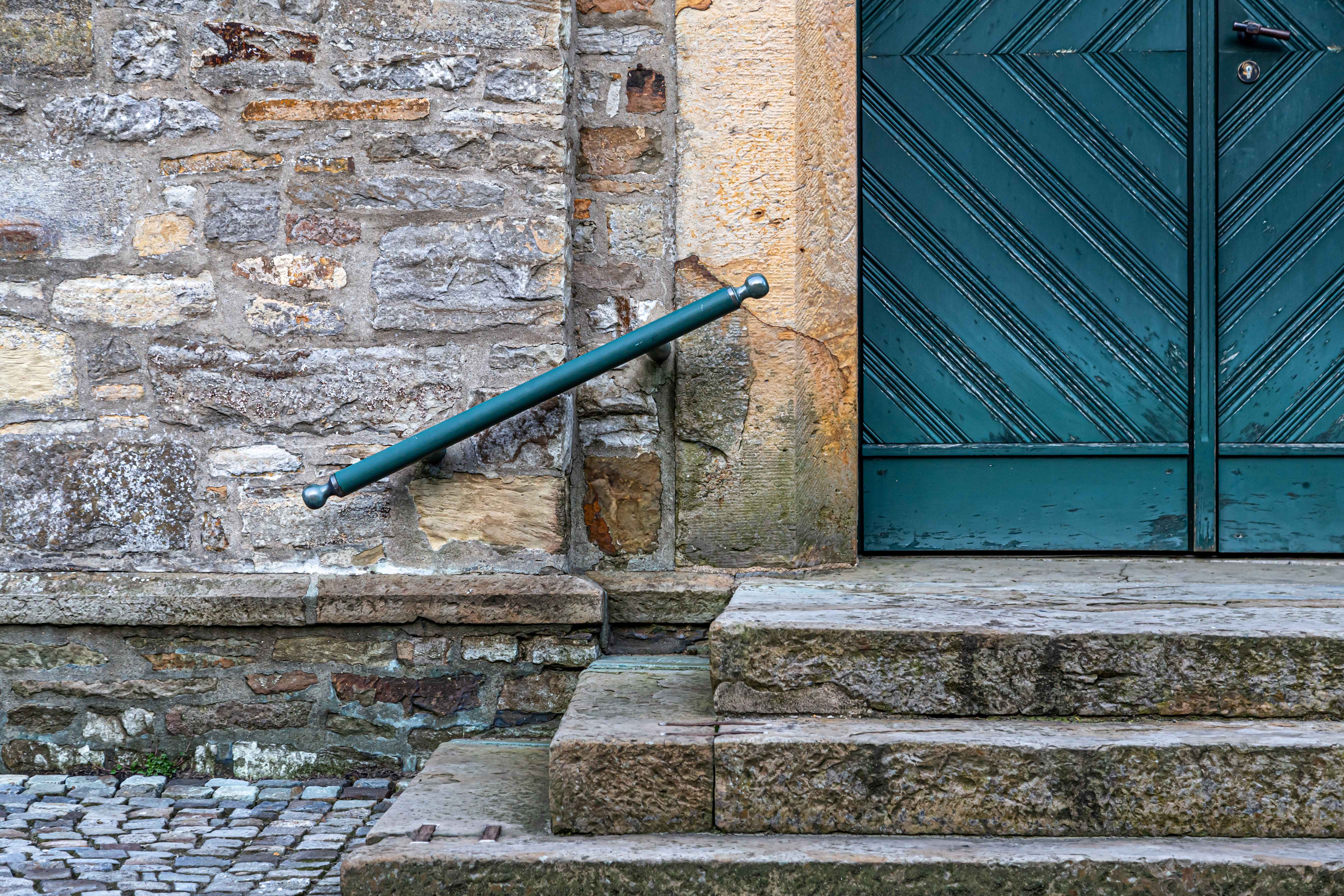
I have a Thing About Doors
It started by accident as a teenager. I was bored while on an errand with my parents, pulled out my sketchpad and started drawing the door I was waiting by. As I tried to get the details right, I became more and more absorbed.
The chipped paint around the edges, the way it was built, the wearing on the ground that showed how many people had come and gone through this doorway.
And then I started truly noticing doors. I’d sketch my favorites or even snap a picture to draw later when I came across an especially good one. Big heavy wooden doors. Delicate art nouveau doors that looked like something elven made. Doors on buildings where the entrance itself seemed to promise something interesting was waiting on the other side.
Doors that meant coming home. Or arriving somewhere new. Doors that meant safety.
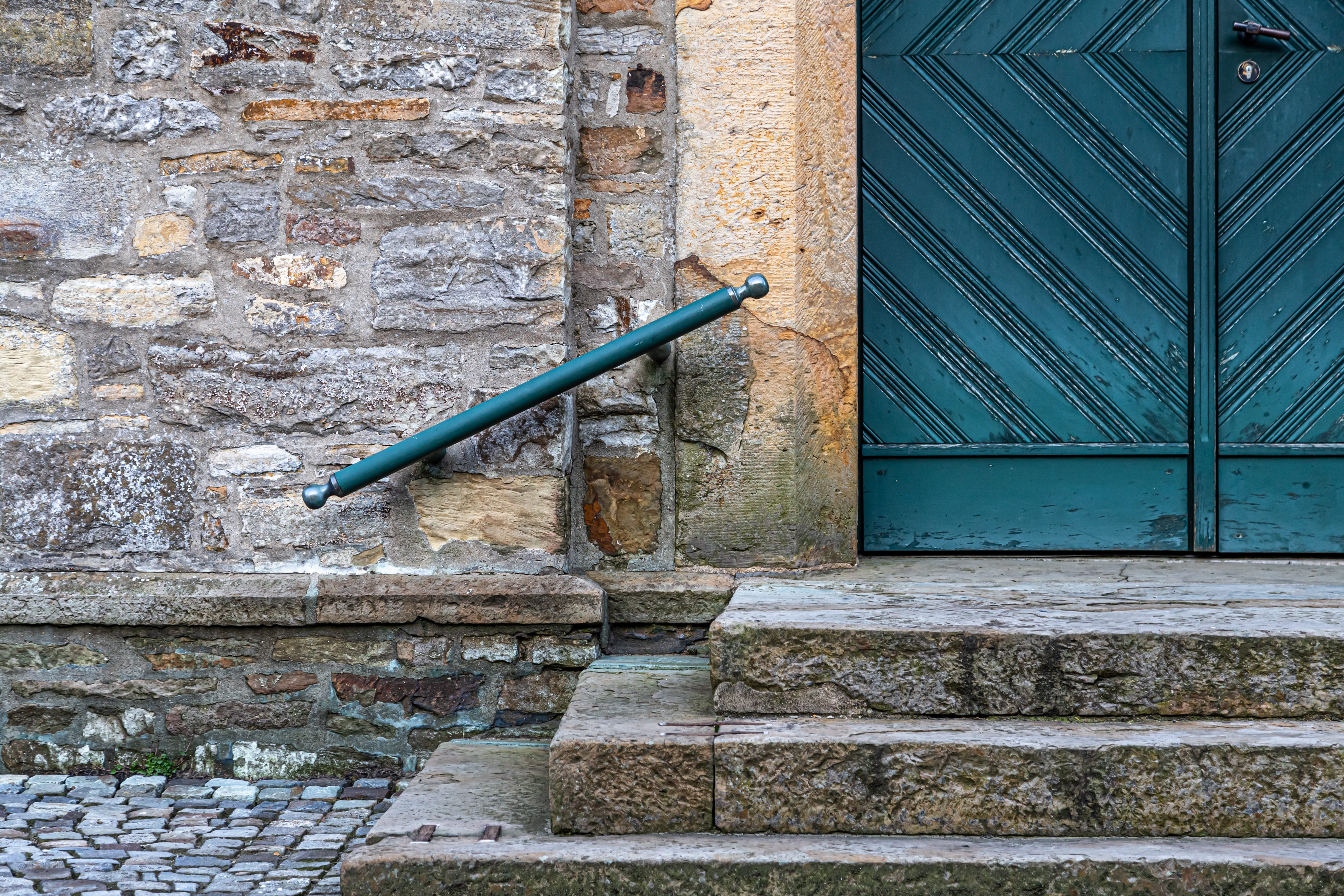
I noticed doors in history, too. I wondered what the doors associated with the Underground Railroad looked like, for instance. What entrances to schools, hospitals, and prisons communicated. And what people felt at these thresholds.
And I never made a dollar on a door. But I didn’t need to. It was fun. I noticed things and found wonder in things I’d otherwise would have just passed through. It gave me pause from the mundane to imagine. It welcomed my curiosity. And it caught my attention in new ways.
Sometimes, the process of making changes what we notice. And what we notice changes how we experience something, and what stories of meaning we tell ourselves. The doors didn’t change - my way of seeing did.
Next Came the Money Laundering
I also loved writing. At one point as a kid, I was writing a story involving organized crime and a money-laundering operation. So I went to the public library to pore through books on crime, FBI investigations, organized crime, and money laundering (as one does).
Also, somehow I evaded diagnosis as a kid, but I’m a decidedly AuDHD (autism + ADHD) human, so when I say I looked into these, I don’t mean a week of bingeing on an interesting topic. I came and went from this project for months at a time over the course of years.
You would be amazed by some of the random skills and knowledge I’ve acquired from “book research.” Actually, if you’re a fellow writer, you probably get it. Book research really does make writers wildcard picks for a post-apocalyptic dream team.
So yes - I followed rabbit holes into the history and psychology of organized crime. I wondered about this character who was navigating systems so much bigger than him - poverty, power, institutions, and forces he couldn’t just opt out of. And somewhere in writing him, I started to notice forces around me that felt so much bigger than me.
Do You Even Work?
I never turned that into a published book or into a psychological study later in grad school. It wasn’t for anyone but me in the end. In some ways that writing was play, and in other ways it was self directed learning - though as a psychologist I’m unconvinced those are as separate as we pretend. It changed some of the ways I understood people and power, even in my little town, school, and home.
I think sometimes we underestimate this kind of creativity because we’re so accustomed to asking what creative practice produces. Did you finish it? Did you publish it? What did the critics say about it? Did it get likes, make money, sell, or contribute to your body of work? Can you at least turn it into an Instagram carousel?
These questions make sense when we’re talking about creative work as work. But we’ve gotten so good at turning creativity into work that sometimes we forget it existed long before it was our job.
To be clear, I’m not arguing creative work shouldn’t have external value. Creative work can give us income, security, stability, recognition, community, and purpose. I sincerely hope so.
But… Creativity is also something we as humans have always done, as part of our being human.
We can also ask what we noticed and discovered. What do we understand differently now, or find ourselves curious about? We can notice what parts of ourselves, or others, or systems, or nature we met in some new way. We can practice acts of seeing and experiencing in a different sort of depth. What has become possible in you at times because you spent time making something?
Not Everything Needs to Be Therapeutic
As a psychologist and therapist, I’ve spent over 11 years studying people, brains, social dynamics, and systems. I’ve spent thousands of hours practicing how to listen, respond, and ask questions in ways that can gently open up new ways of thinking, sink into feelings and remain in the depths without rushing it, encourage insight, uncover patterns, and cultivate moments for healing.
But even though I’m a therapist, not every conversation or interaction has to heal, or draw new insights, or discover patterns. Goodness, I’d be insufferable.
It’s also ok to joke around and play, have conversations about something silly, talk fan theories with my partner, share memes, and just chat to feel connected.
And it struck me while writing this that it’s the same with making.
We’re Human First
Even as creatives, not all of our making has to be for work. We created as humans first. You were a curious, creative person before you became a creative professional.
Somewhere along the way, you were a kid making simply because you wanted to see what happened.
We live in societies where many of the things we need to live - food, housing, healthcare - are tied to our labor.
You can also have that part that belongs only to you.
The part of your making that doesn’t have to perform. The part that doesn’t have to become useful or impressive or palatable for anyone else.
Your creative growth is so much bigger than your body of work. It’s also the development of the human behind the work.
The person who notices, wonders, experiments. Gets curious and follows a rabbit hole. The humans who become, slowly and often without realizing it, a little more themselves.
Maybe what you make doesn’t have to become anything because you are the one who gets to become.
-Dr. Jackie