Your Best Moments are in the Deleted Scenes
How to Reclaim Feelings of Joy and Success - and Weave Them Back into Your Story
A friend and fellow creative founder asked whether there’s anything we can do to make that feeling of joy or success last longer. So that’s what this letter is about. Because yes! We absolutely can. In this letter I’ll talk about one of my favorite things from positive psychology and how you can apply it to reclaim those feelings of joy and success that slip away.
The Deleted Scenes
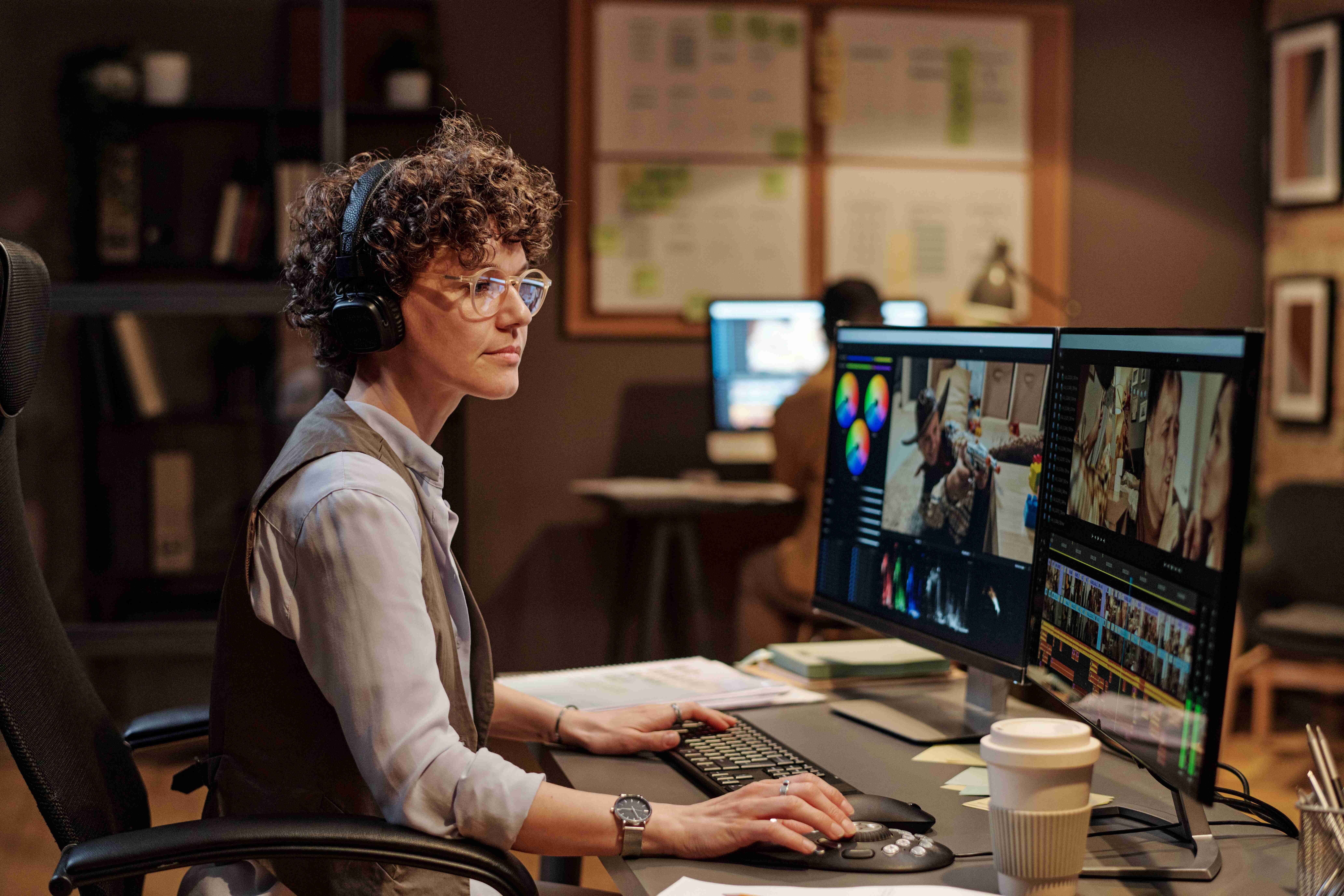
Imagine you hired an editor to tell the story of your life.
They’re going through hours, days, and years of footage. But this editor also developed a little side agenda that your story should be full of warnings to help keep you safe and reminders to help you improve.
So that recent rejection makes the cut - every painful moment of it. That awkward moment you just had makes the cut. The mistake you made on a pitch three years ago gets a full-length replay.
But the moment where you finally typed the end on the screenplay you’ve been working on for months? Cut.
That feeling when you first stood inside the new studio space you bought for your agency - when you realized, wow, this is actually mine. Cut.
The ordinary Monday morning when you looked around and thought, This is the life I’ve been working toward. I’m really doing this. Also cut.
For those few minutes, you felt excitement, maybe pride, even a little relief and disbelief. Because you actually did it. Your editor cut straight to the next scene, when you began wondering what comes next. What will they think? Will the feedback be good? What if nobody likes it?
Your brain on autopilot is a terrible editor for anything but a survival training film.
And honestly, it’s not entirely a flaw. Our brains evolved to find patterns, lessons, and predict what could go wrong so we can avoid it next time. It’s very helpful for survival. Slightly less helpful for making a life you actually enjoy.
When we consistently leave our best moments to the deleted scenes, something happens over time. We can end up with an internal story - and even an identity - that gives disproportionate airtime to self-doubt, struggle, worry, isolation, and whatever still needs fixing.
Meanwhile, the evidence that we’re capable, creative, resilient, loved, successful, or simply having a good ordinary day gets about three minutes of screen time.
Luckily, we can step back into the editing room. By that I mean we can make conscious changes to deepen our experiences of joy and success.
Stepping in as Director
One way to do that is to practice “savoring.” And we do this in layers. We can savor before (through anticipation), during (slowing down in the moment), and afterwards (reminiscing) the moment itself.
Before: Let yourself anticipate the good thing.
We often think of anticipation as the part where anxiety kicks in. And sure. I’ve always felt that the most nerve-wracking part of a roller coaster ride is the slow ascent up the first hill. But anticipation can also be exciting, intentional, and motivating.
In your creative work, you can picture yourself moving through the steps ahead and having little wins along the way.
Maybe you’ve just completed a scene and can finally see how the film is beginning to come together. Maybe you’ve made enough progress on a painting that you can imagine what it will feel like to step back and see the finished piece.
Let yourself go there.
Don’t just think, I hope I finish this.
Imagine finishing the last scene or the final brushstroke. Imagine yourself writing the email and attaching the manuscript.
Imagine the moment you step back, and feel relief and satisfaction. Imagine seeing what this work has become.
We spend a lot of time imagining terrible things that can happen or ways things can go wrong - but we can practice imagining wonderful things too. And oftentimes that can make the journey itself feel richer.

During: Let yourself stay here a little longer.
This might be the simplest and hardest practice. When something good happens, let yourself stay.
Don’t immediately reach for your phone, move to the next task, or start wondering what comes next. Instead, try to take it in.
Notice how you’re feeling, and where you feel it in your body. Do you feel lighter? Sort of giddy? Or a little bit restless with excitement?
Notice the things around you too. This helps anchor your memory and connect it to the context. This can mean the sounds, light, people and creative space around you at this moment. Let yourself notice who is around you when you feel this way, what is around you, and what you are doing.
If you were savoring a delicious meal, you’d probably slow down enough to notice the aroma, the flavors, the presentation, and to be more present with the people you’re eating with. Ideally you wouldn’t eat the entire thing while composing your grocery list for the next meal.
Or maybe you would, but you could choose not to.
And you can do this with other experiences too. Right now, as I write this, I’m noticing the fan blowing cool air across my office and the sunlight streaming through the windows. I can hear the sounds of Justin walking around elsewhere in the house. I know the girls are happily playing with their friends. Justin and I are a team. The dogs are having an afternoon nap.
Today feels good.
It would be very easy to let this become a completely ordinary Tuesday that disappears into the blur of all the other Tuesdays. But when I stop and notice it, I realize that this is the life we’ve been working toward.
I’m not just sitting at my desk feeling content. I’m creating something I care about and doing work that means something to me. I’m building a career that allows me to help people in ways that feel healthy and sustainable. And I worked hella hard to get here.
This ordinary Tuesday is actually pretty remarkable. That’s part of what savoring does. It isn’t just noticing that something feels good, but also letting yourself notice why it matters.
You can add meaning to an experience by taking a moment to ask yourself:
What about this feels good? Maybe it’s because of how hard you worked for this. Maybe it’s because you are becoming the maker and person you hoped you could become. Maybe it’s because this moment represents something you once couldn’t imagine having at some point.
You get to check in to see if this moment means something, which helps us preserve it in our ongoing story.

After: Give yourself somewhere to return to.
A joyful experience doesn’t have to disappear just because the moment is over. You can create little bridges back to it.
Take the photograph, save the ticket, or keep the first copy of the book. Save a meaningful souvenir from the experience or project and put it somewhere you’ll actually see it.
You can also journal about what happened - and, importantly, how it felt. Maybe create a folder on your phone for moments you want to remember. My phone occasionally makes little slideshows from old photographs, and I love them. Suddenly, something that happened years ago appears on my screen and for a moment I can slow down and enjoy the memory again. Each time I do so, it helps better connect those moments to my internal story.
You can make an album or a joy journal to revisit from time to time. Or a success journal. And it doesn’t have to be a list of impressive accomplishments. In fact, I’d argue that some of the most useful things to record aren’t the things that look impressive on paper. You can write down the moments when you felt unsure and tried anyway. Or felt challenged and persevered anyway. This is a space for the things you did even when it scared you, the problem you’re proud you solved, the moments of creative inspiration or even humor that reminded you of things you appreciate about yourself.
You can add what you learned, what choices you made, and who showed up to support you. If self-doubt is something you struggle with, your success journal can become a sort of pep talk from your past self. Six months from now, when you’re feeling uncertain, you won’t have to rely just on how you feel about yourself that day. You’ll have evidence.
I did this. It was hard then too. But I figured it out and kept going. Eventually I finished. I’ve felt this way before and come out the other side.
That’s a very different thing to tell yourself than, I don’t know if I can do this.
Unfortunately, we give our mistakes a lot of rehearsal time. We replay the embarrassing moment, analyze what we said when we think we got something wrong, and wonder what the other person was thinking. Sometimes we do this for years. And then we wonder why those memories are so available to us.
What if you gave your successes and joys rehearsal time too? What exactly did you do? What choices did you make that brought you there? What were some of the reactions you noticed in others or some of the feedback you received? What did you learn? Who was in your corner? Who helped you?
And when you do that, a new storyline will emerge. One where you see yourself succeeding, feeling moments of joy, and making meaning. You’ll notice moments of connection and support. You’ll remember times you felt at peace, laughed with members of your creative team, or had an ordinary day that felt good. Actually good. Those scenes are such an important part of the life you are making.

And sometimes, we can share it.
We know how to celebrate the big things like graduations, weddings, book launches, awards, and big milestones. But you don’t need a life-changing accomplishment to share, “I did something hard, and I’m really proud of myself.” You can invite people into your joy. Call a friend, go out to dinner, celebrate with your partner. Let someone who genuine cares about you celebrate with you.
When another person witnesses our joy, they become another person helping us remember it. And sometimes, when you’re doubting yourself at a later point, that person may even say, “Remember when you did X? That was so hard but you made it through. You can do this too.”
Others can sometimes remember parts of our story we temporarily forget.
We don’t have to carry our narrative all alone.
Reclaim the Deleted Scenes
Savoring isn’t just about feeling better in the moment. It’s about deciding what gets to make the cut of your ongoing life story.
You can make room for things that bring you joy. You can slow down to notice and appreciate the people around you who offered support - even little moments of it. In doing so, you’re directing a story that includes the things you created, moments you were brave, and moments you felt capable. And hopefully also the moments you felt alive.
You don’t have to convince yourself that everything is wonderful. I know we’re in a global polycrisis. But there are good parts to your story too. And I want you to actually get to feel and remember them.
So the next time something good happens, try not to rush past it. Before it happens, anticipate it. While it’s happening, savor it. And afterwards, revisit it. Your best moments were never supposed to stay in the deleted scenes.
What do you want to savor today?
Warmly,
Dr. Jackie
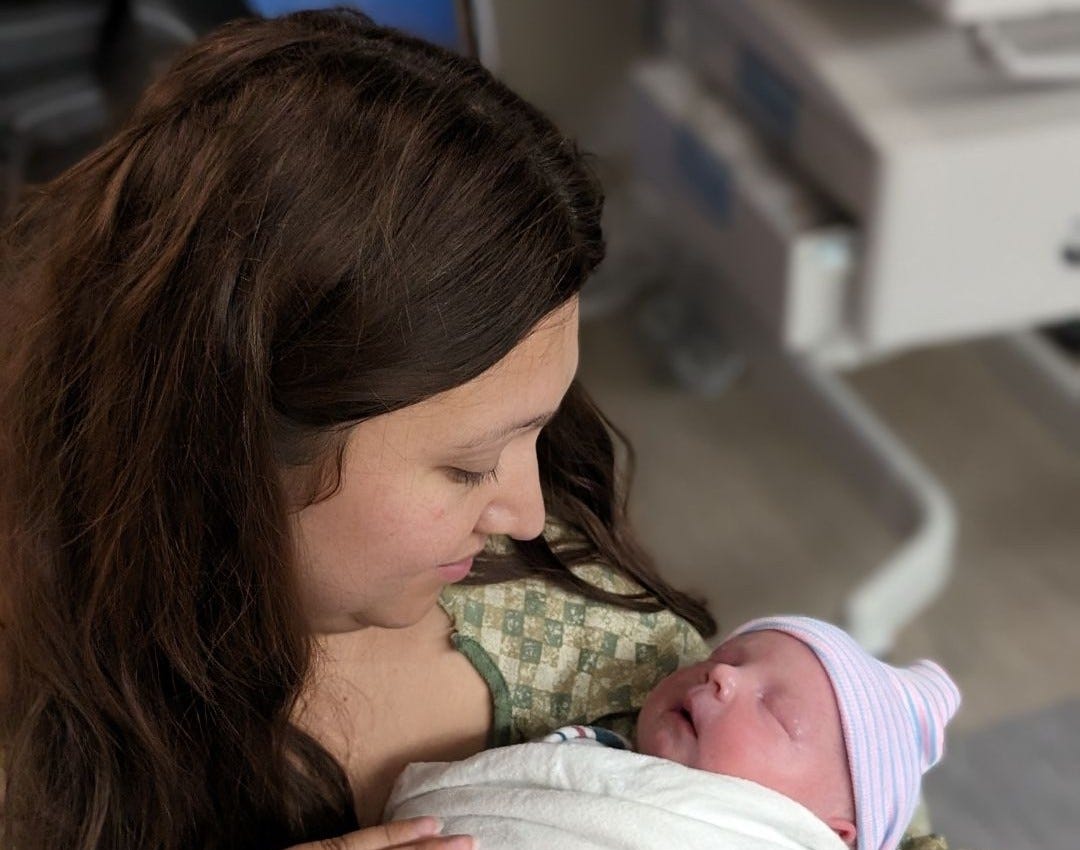
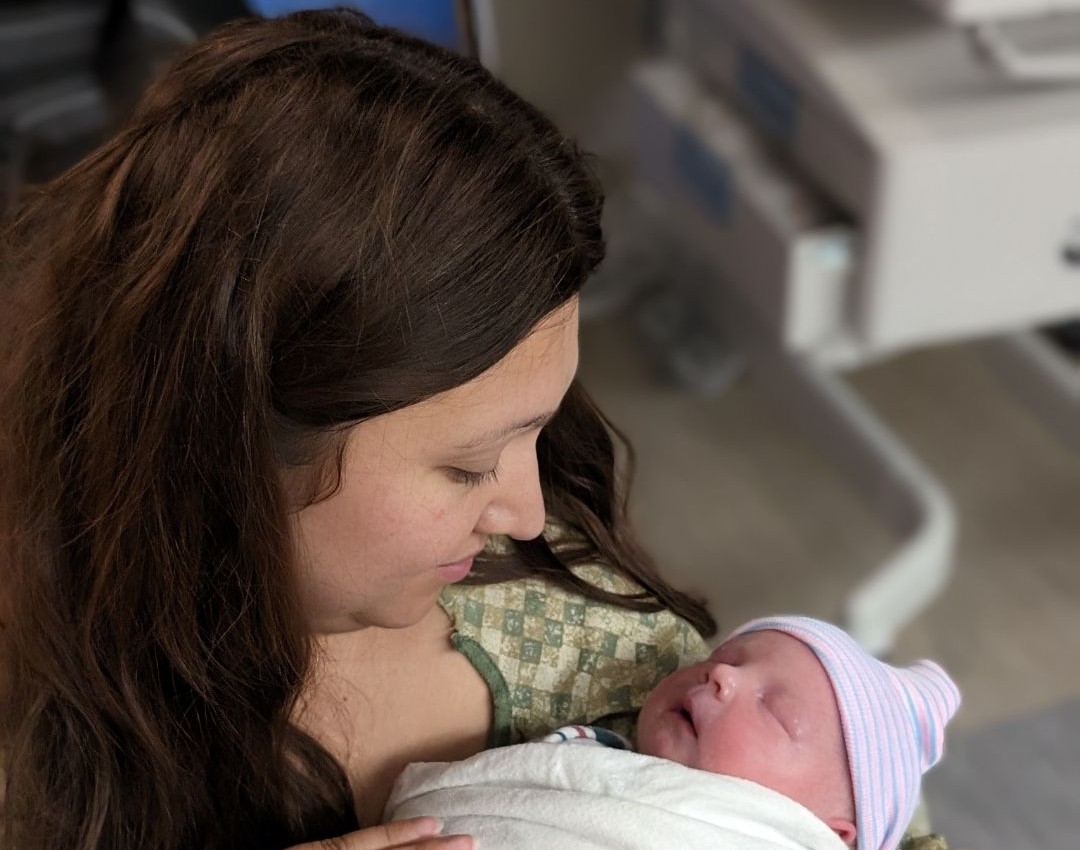
p.s. I included one of my favorite savoring moments here - it was so easy to remember labor and giving birth. But with each of my daughters, there was this quiet moment afterwards. This moment where I couldn’t believe it was real and she was finally here in my arms, safe and ok. We had both made it through. I love coming back to these moments and remembering them. Even if I was an exhausted, sore, sweaty, bloody mess in that moment. The love I was feeling right here in this photo was so overwhelming it still makes me tear up when I look at it.